Why the Road Itself Can Decide Whether a Recovery Goes Smoothly
A vehicle recovery can seem straightforward until the tow truck operator arrives at the scene and encounters a tight curve, a narrow shoulder, a steep grade, limited sight distance, or traffic moving quickly around a disabled vehicle. A tow truck in Baton Rouge LA operator must understand how roadway geometry affects positioning, loading, winching, and safe vehicle removal. Before a precision vehicle recovery, a tow truck operator evaluates lane width, shoulder space, roadway curvature, grades, sight distance, drainage, clear zones, traffic direction, access points, and vehicle position.
A recovery isn’t simply about getting a vehicle from point A to point B. The operator has to understand the road as part of the recovery system. A poorly positioned truck can block traffic, reduce visibility, increase loading angles, or create unnecessary strain on recovery equipment. That is why experienced towing specialists assess the entire scene before touching the vehicle.
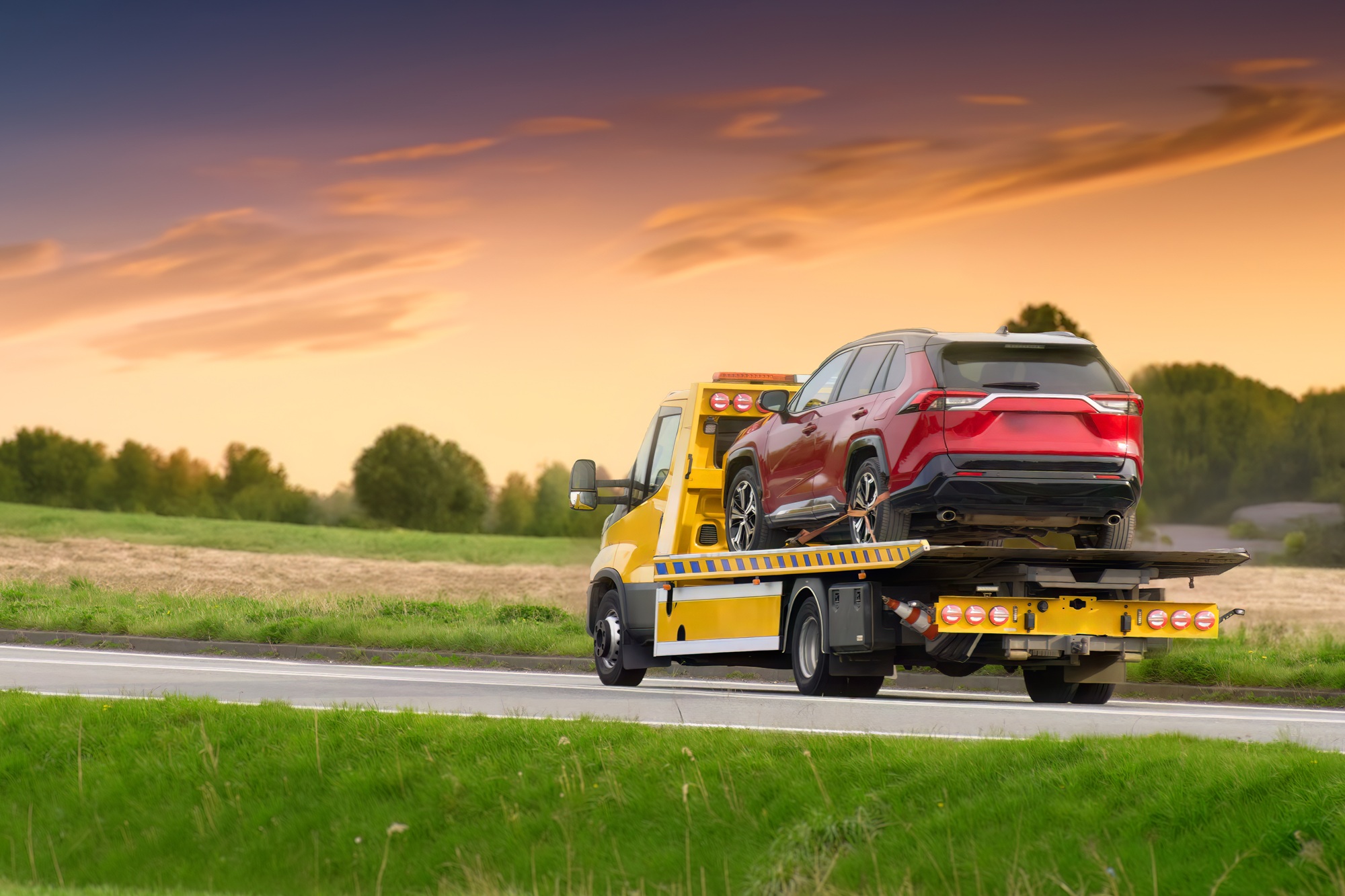
Road conditions can also determine which recovery equipment is practical for the job. A narrow shoulder may favor a carefully positioned flatbed, while a vehicle resting at an awkward angle may require controlled winching before it can be loaded safely. By considering these factors in advance, towing specialists can reduce unnecessary movement, protect the disabled vehicle from additional damage, and complete the recovery with greater control even when Baton Rouge road conditions are challenging.
What 6 Roadway Mistakes Can Turn a Simple Tow Into a Risky Recovery?
Several recurring mistakes cause problems during roadside recovery. One is underestimating shoulder width. A shoulder that appears adequate for a passenger car may not provide enough room for a heavy-duty tow truck, outriggers, winching equipment, or a loaded trailer. Another is ignoring the roadway’s horizontal curve, which can leave approaching drivers with too little time to recognize a stopped recovery operation.
A third mistake is treating a slope like level pavement. Gravity changes how vehicles roll, how recovery equipment loads, and how securely a vehicle can be stabilized. A fourth is failing to account for drainage ditches, soft ground, culverts, or steep embankments beside the pavement. A fifth is choosing equipment before understanding the vehicle’s orientation and available approach path. The sixth is overlooking traffic behavior, especially on high-speed roads, where drivers may suddenly maneuver around an obstruction.
These issues matter because precision recovery depends on controlled positioning rather than brute force. FHWA notes that clear zones provide roadside space where errant vehicles can stop or regain control, reinforcing why the area beyond the travel lane matters during roadside incidents.
Guy’s Towing approaches these situations with specialized equipment and trained operators rather than assuming every recovery is identical. The company reports more than 40 specialized trucks and experience with light- and heavy-duty trucks, accident recovery, and difficult recovery situations.
Which Roadway Geometry Details Matter Most During a Recovery?
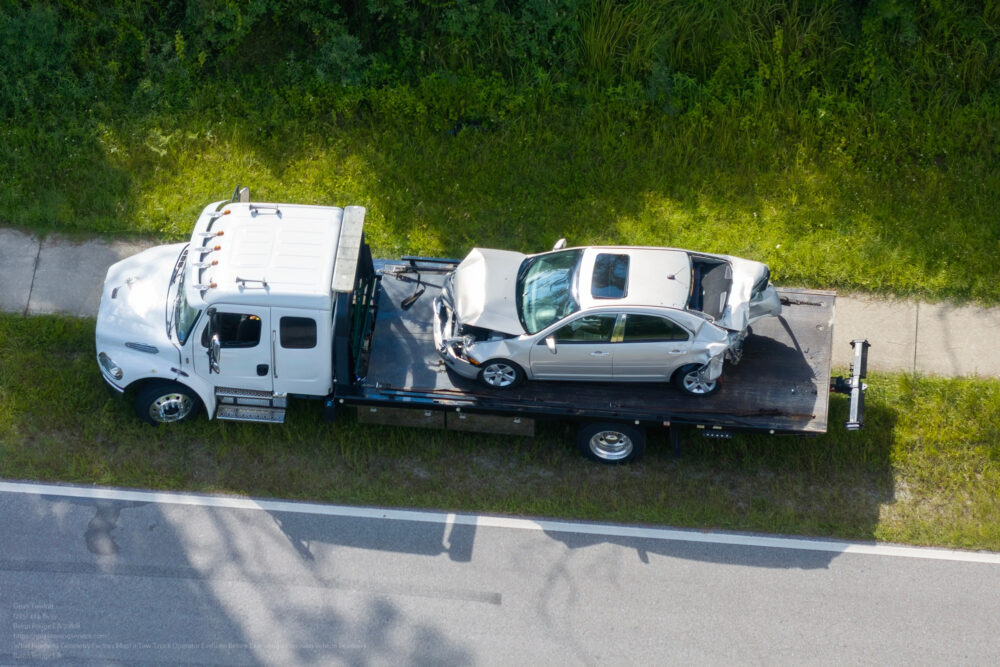
Roadway geometry describes the physical shape and layout of the road, including horizontal curves, vertical grades, lane widths, shoulders, intersections, slopes, drainage features, and available roadside space. Each element can influence how a recovery vehicle approaches a disabled car, box truck, 18-wheeler tractor, or piece of construction equipment.
Horizontal curvature deserves particular attention. A tow truck positioned just beyond a sharp bend may be difficult for approaching motorists to see. At the same time, a recovery vehicle parked on the inside of a curve can have limited visibility in both directions. Federal Highway Administration guidance recognizes that horizontal curves can restrict sight distance and that roadway geometry influences safe vehicle operation.
People Also Ask: What makes a roadside recovery more difficult? Often, it isn’t the vehicle itself. Limited working room, poor visibility, steep grades, soft shoulders, traffic exposure, and awkward recovery angles can make a relatively small vehicle surprisingly complicated to move.
Need Precision Towing Or Recovery?
Contact Guy’s Towing today for fast, professional assistance.
How Can Geometry Improve Safety and Recovery Efficiency?
Roadway geometry affects both safety and efficiency because every minute spent repositioning equipment can increase exposure to passing traffic. A recovery truck placed where motorists can see it clearly, where the operator has sufficient working space, and where the vehicle can be moved along a controlled path is generally easier to manage than one forced into an awkward position.
Sight distance is particularly important. FHWA guidance explains that objects on the inside of horizontal curves can restrict visibility, while vertical curves can also limit how far drivers can see ahead. For a roadside recovery, that means the operator has to think not only about the vehicle being recovered but also about what approaching motorists can see.
This becomes even more important when providing fast towing services during an auto emergency. Whether the job involves a tire change, fuel delivery, jump start, roadside service, or full Emergency Towing, the recovery team must work around the roadway rather than treating the road as an afterthought.
A scheduled tow can often be planned around better access and lower traffic exposure, while emergency towing requires decisions to be made under pressure. Either way, understanding geometry helps towing specialists make more informed choices.
Why Geometry is a Key Part of Every Tow Truck in Baton Rouge LA Recovery
The most important takeaway is that precision vehicle recovery begins before the tow truck connects to the vehicle. Operators need to evaluate curves, grades, sight distance, shoulders, lane configuration, roadside slopes, drainage, traffic flow, vehicle position, and equipment access. Each factor can influence the safest recovery method.
The same principles apply whether the job involves light-duty flatbed towing, winching, Accident Recovery, heavy-duty towing, or a straightforward roadside service call. Roadway geometry determines how much room the operator has, where equipment can be staged, and how the vehicle should be moved.
For local drivers, choosing experienced professionals can make a meaningful difference in complicated conditions. In Baton Rouge Louisiana, Denham Springs, and surrounding communities, careful planning helps turn an unpredictable roadside problem into a controlled recovery operation.
Guy’s Towing Makes Precision Recovery the Smart Choice
At Guy’s Towing, we understand that successful recovery requires more than having a powerful truck. We evaluate the roadway, vehicle position, traffic conditions, available space, terrain, and recovery requirements before selecting the right approach. Our team provides dependable towing and emergency towing solutions designed around the circumstances at the scene.
We also maintain specialized equipment for everything from everyday roadside needs to demanding commercial recovery situations. Our goal is to provide professional service while treating every vehicle, driver, and roadway environment with care.
When a vehicle is disabled, damaged, stuck, or involved in an accident, our experienced team is ready to help with the appropriate towing solution. Contact Guy’s Towing for expert towing assistance in Baton Rouge, LA.
For safe, carefully planned recovery from a trusted tow truck in Baton Rouge LA team, contact Guy’s Towing today.
Need Precision Towing Or Recovery?
Contact Guy’s Towing today for fast, professional assistance.